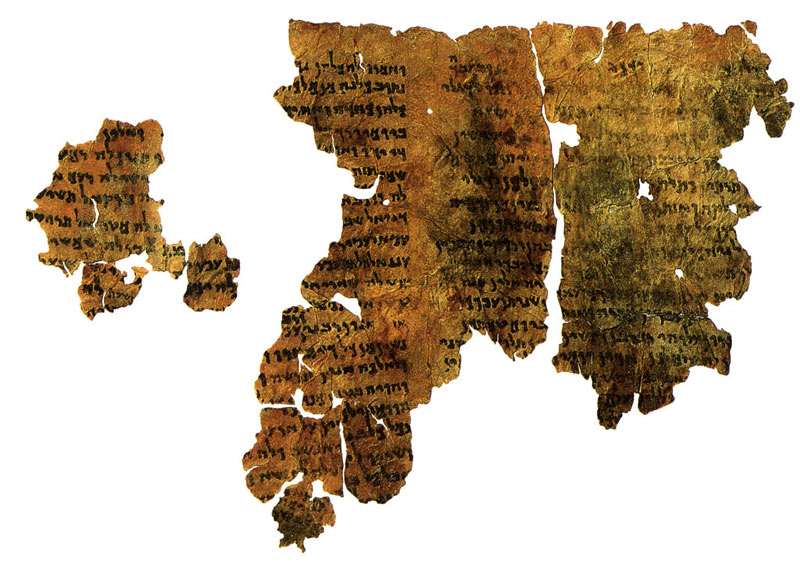

1 Enoch 1-5: the oracle of judgment and the order of nature
1 Enoch 1-5 · Book of the Watchers
Ἑνώχ
This edition presents the verbatim Greek (Ancient) text of the passage beside a fresh English rendering and a critical apparatus. It is a provisional scholarly draft, released openly for correction and not yet reviewed by a credentialed editor.
The apparatus carries a running commentary, notes on the controlled vocabulary and the rendering chosen for each term, any doctrinally-live ambiguity preserved with both readings, and cross-references to the lexicon. The original-language text is reproduced verbatim from the digital source credited in the provenance line of this page; any modern English translation still under copyright is cited as a comparand only.
[Pan.] (1:5) καὶ φοβηθήσονται πάντες καὶ πιστεύσουσιν οἱ ἐγρήγοροι, καὶ ᾄσουσιν ἀπόκρυφα ἐν πᾶσιν τοῖς ἄκροις τῆς [γῆς]· καὶ σεισθήσονται πάντα τὰ ἄκρα τῆς γῆς, καὶ λήμψεται αὐτοὺς τρόμος καὶ φόβος μέγας μέχρι τῶν περάτων τῆς γῆς. (1:6) καὶ σεισθήσονται καὶ πεσοῦνται καὶ διαλυθήσονται ὄρη ὑψηλά, καὶ ταπεινωθήσονται βουνοὶ ὑψηλοὶ τοῦ διαρυῆναι ὄρη, καὶ τακήσονται ὡς κηρὸς ἀπὸ προσώπου πυρὸς ἐν φλογί. (1:7) καὶ διασχισθήσεται ἡ γῆ σχίσμα ῥαγῶδες, καὶ πάντα ὅσα ἐστὶν ἐπὶ τῆς γῆς ἀπολεῖται, καὶ κρίσις ἔσται κατὰ πάντων. (1:8) καὶ μετὰ τῶν δικαίων τὴν εἰρήνην ποιήσει, καὶ ἐπὶ τοὺς ἐκλεκτοὺς ἔσται συντήρησις καὶ εἰρήνη, καὶ ἐπ’ αὐτοὺς γενήσεται ἔλεος, καὶ ἔσονται πάντες τοῦ θεοῦ, καὶ τὴν εὐδοκίαν δώσει αὐτοῖς καὶ πάντας εὐλογήσει καὶ πάντων ἀντιλήμψεται καὶ βοηθήσει ἡμῖν, καὶ φανήσεται αὐτοῖς φῶς καὶ ποιήσει ἐπ’ αὐτοὺς εἰρήνην.
[Pan.] (1:9) ὅτι ἔρχεται σὺν ταῖς μυριάσιν αὐτοῦ καὶ τοῖς ἁγίοις αὐτοῦ, ποιῆσαι κρίσιν κατὰ πάντων, καὶ ἀπολέσει πάντας τοὺς ἀσεβεῖς, καὶ ἐλέγξει πᾶσαν σάρκα περὶ πάντων ἔργων τῆς ἀσεβείας αὐτῶν ὧν ἠσέβησαν καὶ σκληρῶν ὧν ἐλάλησαν λόγων, καὶ περὶ πάντων ὧν κατελάλησαν κατ’ αὐτοῦ ἁμαρτωλοὶ ἀσεβεῖς.
[Pan.] (2:1) Κατανοήσατε πάντα τὰ ἔργα ἐν τῷ οὐρανῷ, πῶς οὐκ ἠλλοίωσαν τὰς ὁδοὺς αὐτῶν, καὶ τοὺς φωστῆρας τοὺς ἐν τῷ οὐρανῷ, ὡς τὰ πάντα ἀνατέλλει καὶ δύνει, τεταγμένος ἕκαστος ἐν τῷ τεταγμένῳ καιρῷ, καὶ ταῖς ἑορταῖς αὐτῶν φαίνονται, καὶ οὐ παραβαίνουσιν τὴν ἰδίαν τάξιν. (2:2) ἴδετε τὴν γῆν καὶ διανοήθητε περὶ τῶν ἔργων τῶν ἐν αὐτῇ γινομένων ἀπ’ ἀρχῆς μέχρι τελειώσεως ὥς εἰσιν φθαρτά, ὡς οὐκ ἀλλοιοῦνται, οὐδὲν τῶν ἐπὶ γῆς, ἀλλὰ πάντα ἔργα θεοῦ ὑμῖν φαίνεται. (2:3) ἴδετε τὴν θερείαν καὶ τὸν χειμῶνα.
[Pan.] (3:1) καταμάθετε καὶ ἴδετε πάντα τὰ δένδρα, (5:1) πῶς τὰ φύλλα χλωρὰ ἐν αὐτοῖς σκέποντα τὰ δένδρα, καὶ πᾶς ὁ καρπὸς αὐτῶν εἰς τιμὴν καὶ δόξαν. διανοήθητε καὶ γνῶτε περὶ πάντων τῶν ἔργων αὐτοῦ, καὶ νοήσατε ὅτι θεὸς ζῶν ἐποίησεν αὐτὰ οὕτως, καὶ ζῇ εἰς πάντας τοὺς αἰῶνας· (5:2) καὶ τὰ ἔργα αὐτοῦ πάντα ὅσα ἐποίησεν εἰς τοὺς αἰῶνας ἀπὸ ἐνιαυτοῦ εἰς ἐνιαυτὸν γινόμενα πάντα οὕτως, καὶ πάντα ὅσα ἀποτελοῦσιν αὐτῷ τὰ ἔργα, καὶ οὐκ ἀλλοιοῦνται αὐτῶν τὰ ἔργα, ἀλλ’ ὡσπερεὶ κατὰ ἐπιταγὴν τὰ πάντα γίνεται. (5:3) ἴδετε πῶς ἡ θάλασσα καὶ οἱ ποταμοὶ ὡς ὁμοίως ἀποτελοῦσιν καὶ οὐκ ἀλλοιοῦσιν αὐτῶν τὰ ἔργα ἀπὸ τῶν λόγων αὐτοῦ. (5:4) ὑμεῖς δὲ οὐκ ἐνεμείνατε οὐδὲ ἐποιήσατε κατὰ τὰς ἐντολὰς αὐτοῦ, ἀλλὰ ἀπέστητε καὶ κατελαλήσατε μεγάλους καὶ σκληροὺς λόγους ἐν στόματι ἀκαθαρσίας ὑμῶν κατὰ τῆς μεγαλοσύνης αὐτοῦ. ὅτι κατελαλήσατε ἐν τοῖς ψεύμασιν ὑμῶν, σκληροκάρδιοι, οὐκ ἔστιν εἰρήνη ὑμῖν.
[Pan.] (5:5) τοιγὰρ τὰς ἡμέρας ὑμῶν ὑμεῖς κατηράσασθε καὶ τὰ ἔτη τῆς ζωῆς ὑμῶν ἀπολεῖται, καὶ τὰ ἔτη τῆς ἀπωλείας ὑμῶν πληθυνθήσεται ἐν κατάρᾳ αἰώνων, καὶ οὐκ ἔσται ὑμῖν ἔλεος καὶ εἰρήνη. (5:6) τότε ἔσται τὰ ὀνόματα ὑμῶν εἰς κατάραν αἰώνιον πᾶσιν τοῖς δικαίοις, καὶ ἐν ὑμῖν καταράσονται πάντες οἱ καταρώμενοι, καὶ πάντες οἱ ἁμαρτωλοὶ καὶ ἀσεβεῖς ἐν ὑμῖν ὀμοῦνται, καὶ πάντες οἱ ἀναμάρτητοι χαρήσονται, καὶ ἔσται αὐτοῖς λύσις ἁμαρτιῶν καὶ πᾶν ἔλεος καὶ εἰρήνη καὶ ἐπιείκεια, ἔσται αὐτοῖς σωτηρία, φῶς ἀγαθόν, καὶ αὐτοὶ κληρονομήσουσιν τὴν γῆν καὶ πᾶσιν ὑμῖν τοῖς ἁμαρτωλοῖς οὐχ ὑπάρξει σωτηρία, ἀλλὰ ἐπὶ πάντας ὑμᾶς κατάλυσις, κατάρα. (5:7) καὶ τοῖς ἐκλεκτοῖς ἔσται φῶς καὶ χάρις καὶ εἰρήνη, καὶ αὐτοὶ κληρονομήσουσιν τὴν γῆν, ὑμῖν δὲ τοῖς ἀσεβέσιν ἔσται κατάρα.
[Pan.] (5:8) τότε δοθήσεται τοῖς ἐκλεκτοῖς φῶς καὶ χάρις, καὶ αὐτοὶ κληρονομήσουσιν τὴν γῆν. τότε δοθήσεται πᾶσιν τοῖς ἐκλεκτοῖς σοφία, καὶ πάντες οὗτοι ζήσονται, καὶ οὐ μὴ ἁμαρτήσονται ἔτι οὐ κατ’ ἀλήθειαν οὔτε κατὰ ὑπερηφανίαν, καὶ ἔσται ἐν ἀνθρώπῳ πεφωτισμένῳ φῶς καὶ ἀνθρώπῳ ἐπιστήμονι νόημα, καὶ οὐ μὴ πλημμελήσουσιν (5:9) οὐδὲ μὴ ἁμάρτωσιν πάσας τὰς ἡμέρας τῆς ζωῆς αὐτῶν, καὶ οὐ μὴ ἀποθάνωσιν ἐν ὀργῇ θυμοῦ, ἀλλὰ τὸν ἀριθμὸν αὐτῶν ζωῆς ἡμερῶν πληρώσουσιν, καὶ ἡ ζωὴ αὐτῶν αὐξηθήσεται ἐν εἰρήνῃ, καὶ τὰ ἔτη τῆς χαρᾶς αὐτῶν πληθυνθήσεται ἐν ἀγαλλιάσει καὶ εἰρήνῃ αἰῶνος ἐν πάσαις ταῖς ἡμέραις τῆς ζωῆς αὐτῶν.
[Akhmim codex] (1:5) And all will fear, and the Watchers will believe, and they will sing hidden things in all the ends of the [earth]; and all the ends of the earth will be shaken, and trembling and great fear will seize them, as far as the limits of the earth. (1:6) And high mountains will be shaken and will fall and be dissolved, and high hills will be brought low, so that mountains flow away, and they will melt like wax before fire, in flame. (1:7) And the earth will be split with a rent full of clefts, and all that is upon the earth will perish, and there will be judgment upon all. (1:8) And with the righteous he will make peace, and upon the chosen there will be protection and peace, and upon them mercy will come, and they will all be God’s, and he will give them the good pleasure, and he will bless all, and he will come to the aid of all, and he will help us, and light will appear to them, and he will make peace upon them.
[Akhmim codex] (1:9) For he comes with his myriads and his holy ones, to execute judgment upon all, and he will destroy all the impious, and he will convict all flesh concerning all the works of their impiety which they impiously committed, and of the hard words which they spoke, and concerning all that they spoke against him, impious sinners.
[Akhmim codex] (2:1) Consider all the works in heaven, how they did not alter their ways; and the luminaries in heaven, how they all rise and set, each one ordered in the ordered season, and they appear at their feasts and do not transgress their own order. (2:2) Look at the earth and give thought concerning the works that come to be on it from beginning to completion, how they are perishable, how they do not change, none of the things on earth, but all the works of God appear to you. (2:3) Look at the summer and the winter.
[Akhmim codex] (3:1) Learn and see all the trees, (5:1) how the green leaves on them cover the trees, and all their fruit is for honour and glory. Give thought and know concerning all his works, and perceive that the living God made them so, and he lives for all the ages. (5:2) And all his works which he made for the ages come to be so, all of them, from year to year, and all that the works accomplish for him; and their works do not change, but all things come to be as if by command. (5:3) See how the sea and the rivers likewise accomplish, and do not alter their works from his words. (5:4) But you have not abided, nor have you done according to his commandments; but you turned away and spoke great and hard words, with your mouth of uncleanness, against his majesty. Because you have spoken slander in your lies, you hard of heart, there is no peace for you.
[Akhmim codex] (5:5) Therefore you yourselves have cursed your days, and the years of your life will perish, and the years of your destruction will be multiplied in a curse of the ages, and there will be no mercy and peace for you. (5:6) Then your names will be an everlasting curse to all the righteous, and by you all who curse will curse, and all the sinners and impious will swear by you; and all the sinless will rejoice, and for them there will be release of sins and every mercy and peace and forbearance; there will be salvation for them, a good light, and they will inherit the earth. But for all of you sinners there will be no salvation, but upon all of you dissolution, curse. (5:7) And for the chosen there will be light and grace and peace, and they will inherit the earth; but for you, the impious, there will be a curse.
[Akhmim codex] (5:8) Then light and grace will be given to the chosen, and they will inherit the earth. Then wisdom will be given to all the chosen, and all these will live, and they will sin no more, neither by truth nor by pride; and there will be in an enlightened man light, and in a knowing man understanding, and they will not transgress (5:9) nor sin all the days of their life, and they will not die in the wrath of anger, but they will fulfil the number of their days of life, and their life will increase in peace, and the years of their joy will be multiplied in exultation and peace of the age, in all the days of their life.
This edition sets the verbatim Hebrew beside a fresh English rendering and a critical apparatus: a running commentary on the passage, notes on the controlled vocabulary and the rendering chosen for each term, and cross-references to the lexicon and to related sections. It is a provisional scholarly draft, released openly for correction and not yet reviewed by a credentialed editor.
Controlled terms noted in this passage: aion (rendered as age), eklektos (rendered as chosen), dikaios (rendered as righteous), hagios (rendered as holy), ho-hagios-ho-megas (rendered as holy-great-one), egregoros (rendered as watcher), oros (rendered as mountain), krisis (rendered as judgment), dendron (rendered as tree), doxa (rendered as glory), megalosyne (rendered as majesty). For each, the apparatus carries the sense set and the reason for the rendering chosen.